
Buying a House With No Credit Score in Georgia
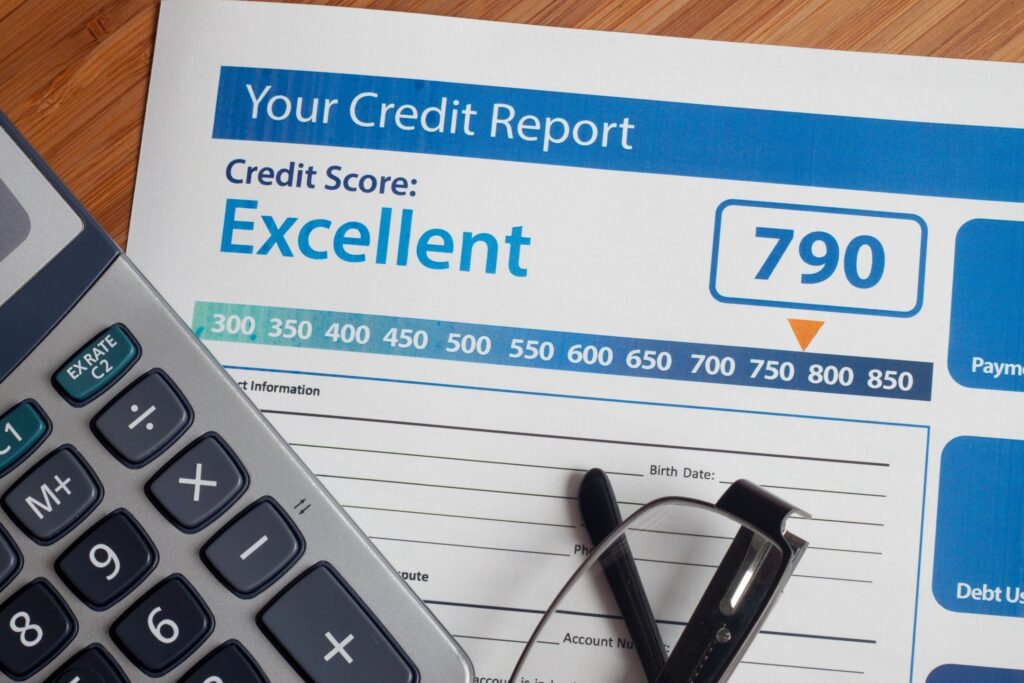
Buying a house with no credit score sounds impossible. It is not. It is just a different process, and a lot of lenders will not take the time to run it.
Every month we talk to Georgians who have never carried a credit card, paid cash for their vehicles, or paid off everything years ago and let their accounts go quiet. They assume they are unqualified. Usually they are not. They are what the industry calls a thin file or a no-score borrower, and there are real loan programs built for exactly that situation.
No credit score is not the same as bad credit
This distinction matters more than anything else in this article, so it goes first.
Bad credit means there is a history and it has problems: collections, late payments, a charge-off. No credit score means there is not enough recent history for the scoring model to produce a number at all. Under the traditional FICO model used in mortgage lending, you generally need at least one account reported within the last six months to generate a score.
Someone who has paid rent on time for eight years and has never missed a utility bill is not a credit risk. The scoring system simply has nothing to measure. That is a documentation problem, not a character problem, and it is solvable.
How lenders verify credit when there is no score
The tool is called nontraditional credit, sometimes called alternative credit. Instead of pulling a score, the lender builds a payment history from sources that do not normally report to the bureaus.
Common references include:
- Rent paid to a landlord or property management company, usually 12 months of verifiable history
- Utilities in your name — power, gas, water, trash
- Cell phone or internet service
- Auto, renters, or health insurance premiums
- Childcare or tuition payments
- Documented payments to an individual, verified through cancelled checks or bank statements
Most programs want three to four of these, covering at least 12 months, with no more than one late payment. The verification is real work. Landlords have to complete forms, and utility companies have to produce payment histories. But it is ordinary paperwork, and we walk clients through it.
Which loan programs actually allow this
Not every program does, and this is where working with a broker matters. We can check a file against many lenders at once instead of one bank’s guidelines.
- FHA is usually the strongest option. FHA allows manual underwriting with nontraditional credit, and the standard FHA requirements of 3.5% down still apply. Manual underwriting means a human reviews the file rather than an automated system approving it.
- VA works well for eligible veterans, partly because VA underwriting leans on residual income — how much money is actually left over each month — rather than treating a score as the whole story.
- USDA allows nontraditional credit in eligible rural areas, which covers a large share of Georgia outside the metro counties.
- Conventional financing is possible but tighter. Fannie Mae and Freddie Mac can consider borrowers without a usable score under specific conditions, typically including a 12-month housing payment history and stricter limits on down payment and property type.
What changed in 2026
There is a development worth knowing about. In September 2026, the Federal Housing Finance Agency opened VantageScore 4.0 to all lenders selling loans to Fannie Mae and Freddie Mac, ending an earlier pilot limited to about 50 companies. The FHFA credit score policy page tracks the rollout, and Fannie Mae publishes the lender requirements.
Why that matters here: VantageScore 4.0 does not require recent account activity the way the older model does, so it can generate a score for some borrowers the traditional model leaves blank. Estimates suggest millions of Americans fall into that group.
Two honest caveats, though. Adoption is optional, so not every lender has implemented it yet. And it is not currently eligible for manually underwritten loans, which is exactly the path many no-score borrowers take. So it is a genuine opening, not a magic fix. It is worth asking your lender which model they are pulling. You can read more in our guide to the credit score you need to buy a house in Georgia.
Buying a house with no credit score: what to expect
Be realistic about three things.
It takes longer. Manual underwriting is slower than an automated approval. Build an extra week or two into your contract timeline, especially in Georgia where the closing attorney is coordinating several moving parts.
The reserve requirement is often higher. Manually underwritten files frequently require one to three months of mortgage payments in savings after closing. Plan for that.
Your debt-to-income ratio gets more scrutiny. Without a score, the underwriter leans harder on the rest of the file. Our breakdown of how much house you can afford in Georgia is a useful starting point.
How to prepare, starting today
- Pay rent by check, bank transfer, or an app that keeps records. Cash is nearly impossible to verify.
- Keep utilities in your own name, not a roommate’s or a relative’s.
- Save 12 months of statements for every account you plan to use as a reference.
- Do not open several new accounts in a rush. A brand-new card with six months of history helps less than the rent record you already have.
- Talk to a lender before you shop. Knowing which documents you need is much easier than reconstructing them under a 30-day contract.
Buying a house with no credit score: the bottom line
Buying a house with no credit score in Georgia is a documentation exercise, not a dead end. Plenty of people with spotless payment habits and no score own homes here. They just worked with someone willing to underwrite the file by hand.
Georgia Platinum Mortgage works with buyers across all 159 Georgia counties, and we have relationships with roughly 80 wholesale lenders, which means we can find the one whose guidelines fit your situation. Contact us today and let us look at what you actually have.