
New Construction vs. Existing Home Financing in Georgia
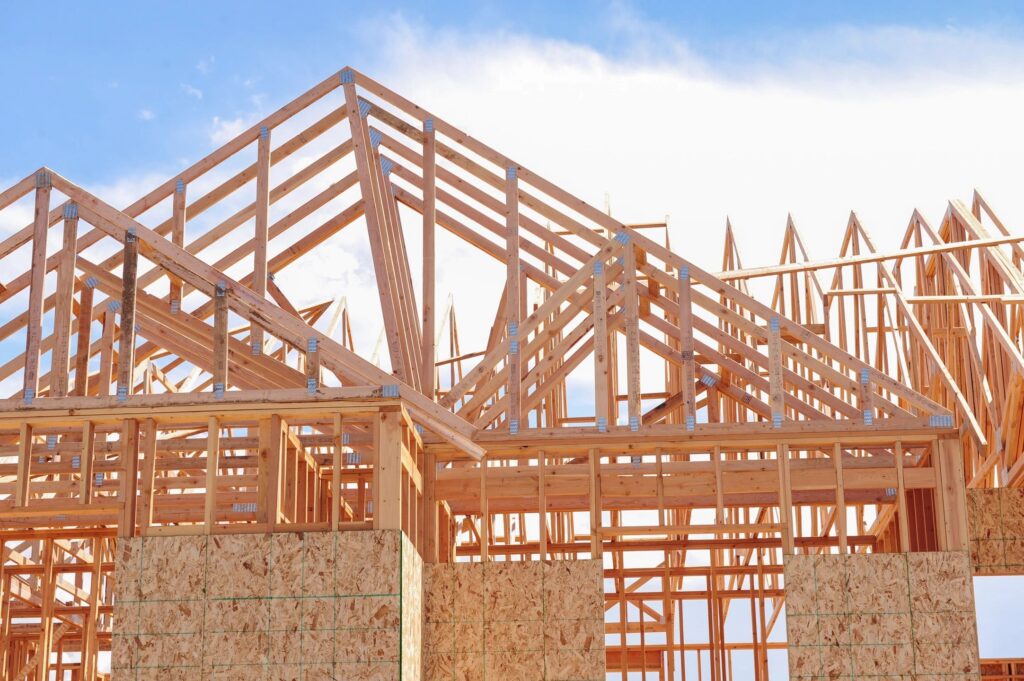
Two buyers, same budget, same lender. One is buying a house that already exists; the other is buying one that will exist in seven months. Their loans are not the same product.
Financing an existing home is a 30-to-45-day process against a finished, appraisable property. New construction adds three variables: a longer timeline that outruns a standard rate lock, an appraisal based on plans rather than a finished house, and a builder contract that governs the schedule instead of a standard purchase agreement. Georgia’s attorney-closing requirement and intangible recording tax apply to both.
Here is what actually differs.
How does a new construction loan differ from a regular mortgage in Georgia?
The term covers situations that finance very differently.
Spec homes (inventory homes). The builder built it on speculation and it is finished or nearly finished. These finance almost exactly like an existing home. Standard purchase contract, standard appraisal, standard timeline. If you are buying a completed spec home, most of this article does not apply to you.
To-be-built production homes. You choose a lot and a floor plan from a builder’s offering, and construction begins after contract. The builder finances the construction; you close on the finished house with a standard purchase mortgage. Timeline is the main complication.
Custom builds. You own or are buying land and hiring a builder to construct a specific home. This usually requires a construction-to-permanent loan, which is a different product with a different underwriting process.
Most buyers comparing “new versus existing” are looking at the first two. The third is a separate decision.
Do rate locks cover a new construction build?
An existing home closes in about 30 to 45 days. A to-be-built home can take six months or more.
That gap creates the central financing issue: rate locks expire.
Standard rate locks are built for a 30-to-60-day window. They are not designed to cover a six-month build. Extended lock options exist for new construction, and their structure, duration, and cost vary by lender and program. Some allow a one-time adjustment if market rates move; some do not.
What to do: ask about extended lock options before you sign a builder contract. The lock structure available to you is part of the true cost of the house, and it is easier to evaluate before you are committed.
This is the most consequential thing a to-be-built buyer can ask about early, and it is the one most often raised last. Buyers select finishes, negotiate incentives, sign the contract — and then ask about the rate lock four months in, when their options are narrower.
Do upgrades increase a new construction appraisal?
An existing home is appraised against comparable sales of similar finished homes. Straightforward.
New construction is harder for two reasons.
Limited comparables. In a newer subdivision there may be few recent resales. Appraisers may rely on other new construction, sometimes from the same builder, which is a thinner basis for valuation.
Upgrades. A base house at $420,000 with $60,000 in selected upgrades does not automatically appraise at $480,000. Upgrade value is not recovered dollar for dollar in an appraisal. If the appraisal comes in below the contract price, you cover the difference in cash or renegotiate.
When the appraisal happens. On a to-be-built home, the appraisal is often ordered close to completion — which means you may be months into the process before you know whether the value supports the contract.
Do I have to use the builder’s preferred lender?
An existing-home purchase in Georgia typically uses a standard association contract with familiar contingency structures.
Builder contracts are drafted by the builder. Provisions that commonly differ:
- Completion dates are frequently estimates rather than firm deadlines
- Deposits may be larger and may be non-refundable at earlier stages
- Contingency structures for appraisal and financing may be narrower
- Change order terms govern what happens when you modify selections
- Warranty terms are defined in the contract
None of this is unusual or improper. It is simply a different document with different consequences. Read it, and consider having an attorney review it before signing.
Is it harder to get a mortgage on new construction?
Builders frequently offer incentives — closing cost contributions, upgrade allowances, rate buydown contributions — conditioned on using an affiliated or preferred lender.
Three facts worth knowing:
- These arrangements are legal. Affiliated business arrangements are permitted under federal law.
- They must be disclosed to you. RESPA requires written disclosure of an affiliated business arrangement at or before referral.
- You cannot be required to use them. With limited exceptions, you may not be required to use a particular provider as a condition of the sale.
The practical move is to compare the total package. An incentive is real money. So are the loan’s fees and terms. Get a Loan Estimate from the builder’s lender and from at least one other, and compare them side by side — same loan amount, same day, same product. That comparison is the only way to know which package is better for you, and it is a normal, expected thing for a buyer to do.
What is the same in both cases
- Your qualification. Credit, income documentation, debt-to-income, and assets work identically.
- Georgia closing mechanics. An attorney conducts the closing either way.
- Intangible recording tax. $1.50 per $500 of the loan amount, capped at $25,000 (Georgia Department of Revenue, 2026).
- Loan programs. Conventional, FHA, VA, and USDA all finance new construction, subject to program-specific property requirements.
- The 2026 conforming limit. $832,750 for one-unit properties nationally (FHFA, 2026).
Which is better?
Neither. They are different trade sets.
New construction gives you a home nobody has lived in, current building standards, builder warranty coverage, and selection input. It costs you time, timeline uncertainty, appraisal risk on upgrades, and rate exposure over a longer horizon.
An existing home gives you a known property, an inspectable condition, a predictable closing, and a shorter rate-lock window. It costs you someone else’s choices, an older systems age, and no warranty.
The financing question is not which is better. It is whether you have accounted for the extra variables on the new-construction side.
The buyers who have trouble with new construction are rarely the ones who chose it for the wrong reasons. They are the ones who priced it like an existing home — same lock assumptions, same appraisal assumptions, same timeline — and then met the differences one at a time.
Contact us today before you sign a builder contract. Georgia Platinum Mortgage is a mortgage broker — we will walk through lock options, appraisal timing, and how any builder incentive compares against a Loan Estimate from our lender panel, so you can see the whole package at once.
Frequently asked questions
Does a spec home finance differently than an existing home?
Generally no. A completed spec home is a finished, appraisable property purchased with a standard mortgage on a standard timeline. Most new-construction financing complications apply to to-be-built homes and custom builds, not to finished inventory.
What happens if the builder misses the completion date?
That depends on your contract. Builder contracts frequently treat completion dates as estimates rather than firm deadlines, and the remedies available to you are defined by the contract’s language. Read those provisions before signing, and consider an attorney review.
What if my new construction home appraises below the contract price?
You cover the difference in cash, renegotiate with the builder, or exit if your contract permits. This risk is highest on homes with substantial upgrades and in subdivisions with few comparable resales. Appraisals on to-be-built homes are often ordered close to completion, so you may be months into the process before you know.
Can I use an FHA or VA loan on new construction in Georgia?
Yes. Both finance new construction subject to program-specific property requirements and inspections. Requirements are more detailed than for conventional financing, so confirm early that the builder is familiar with the program’s process.
What is an extended rate lock?
A rate lock designed to cover a longer period than a standard 30-to-60-day lock, used for new construction. Duration, cost, and whether the rate can be adjusted if the market moves all vary by lender and program. Ask about it before signing a builder contract.
Are builder incentives worth taking?
Sometimes. An incentive is real money, and so are the loan’s fees and terms. The way to know is to obtain a Loan Estimate from the builder’s affiliated lender and from at least one other lender — same loan amount, same day, same product — and compare the total package rather than any single line.
Do I still need a home inspection on new construction?
It is generally advisable. A new home has never been lived in, but it has also never been tested. Many buyers arrange an independent inspection before closing in addition to any builder walkthrough.
Is new construction more expensive to finance in Georgia?
The loan itself is not inherently more expensive, and Georgia’s closing costs — attorney fee, intangible recording tax, title insurance — apply the same way. What can add cost is extended rate lock pricing and the risk of covering an appraisal shortfall on upgrades.
Written by Wrx Kimura, Mortgage Loan Originator, NMLS #2759723 Wrx Kimura originates residential mortgages for Georgia Platinum Mortgage, a licensed mortgage broker that compares loan options across a wide panel of wholesale lenders for buyers in Georgia, Alabama, Tennessee, Florida, and Texas.
Georgia Platinum Mortgage — NMLS #144366
Last reviewed: August 2026
Georgia Platinum Mortgage is a mortgage broker and does not fund loans. This article is educational and is not a loan commitment, an offer of credit, or a quote of terms. It is not legal advice; consult an attorney regarding builder contract terms. Builder practices, lock programs, and loan limits change; confirm current terms before relying on this article. Equal Housing Opportunity.